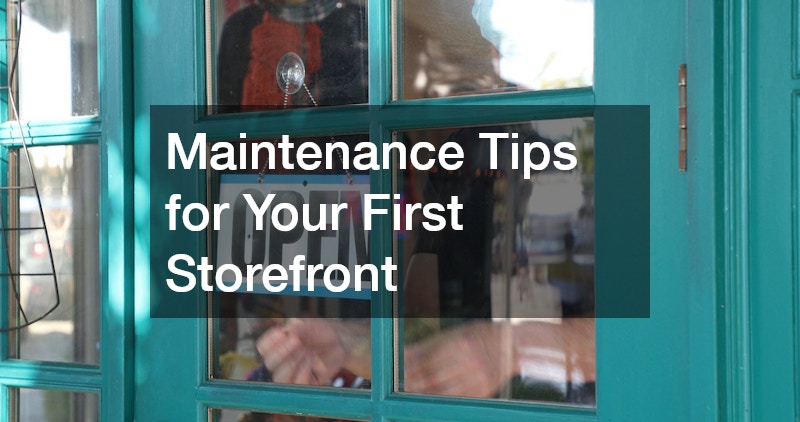
Transitioning from an online store or a dream concept into a physical space is one of the most exciting milestones for any entrepreneur. Opening a retail shop, a boutique, or a neighborhood eatery gives your brand a tangible presence where customers can directly interact with your products and culture. However, stepping into a physical venue introduces a unique set of ongoing duties that many new owners overlook during the initial planning phase.
Managing physical surroundings requires continuous attention, structural foresight, and routine visual care. While your primary focus naturally sits on product sales, marketing campaigns, and customer service, neglecting to build systems can quickly lead to costly disruptions, safety hazards, or negative customer impressions. Establishing a comprehensive proactive maintenance plan ensures that your space remains safe, welcoming, and fully operational for years to come.
Beyond safeguarding immediate profits, establishing robust operational habits sets the stage for sustainable long-term expansion. Treating your location as a dynamic asset rather than a static backdrop instills pride among your staff and signals reliability to your community. Developing an organized maintenance schedule early on allows you to transition from reactive crisis management to strategic, predictable business stewardship. Taking these proactive steps ensures that your initial investment continues to pay dividends as your brand grows.
Structural Preservation and Protection

Maintaining the structural elements of your building safeguards your overall capital investment and keeps the physical space protected from the elements. Small exterior issues can rapidly escalate into severe interior damage if left unchecked.
Performing Regular Roof and Exterior Envelope Inspections
The exterior barrier of your physical space is its first line of defense against adverse weather conditions. Schedule thorough roof inspections at least twice a year, ideally during late spring and late autumn, to check for loose material, failing flashing, or blocked drainage pathways. Identifying a minor tear or missing seal early prevents water from seeping into the interior framing or ceiling tiles. Work directly with a qualified local commercial roofer who understands regional weather patterns and can spot subtle signs of deterioration before structural leaks develop.
Addressing Leaks and Water Intrusions Promptly
When moisture penetrates the outer envelope, it can cause immediate damage to internal inventory, drywall, and electrical systems. Inspect ceiling tiles after heavy rainfall for discoloration or sagging, which indicate hidden pooling water overhead. If you notice damp spots along walls or near skylights, secure professional commercial roofing repair immediately to address the entry point. Fixing moisture issues straight away prevents dangerous mold growth and preserves the structural integrity of your building components.
Maintaining External Concrete and Walkways
The surfaces surrounding your entrance dictate both customer accessibility and initial safety. Walkways, entry ramps, and parking areas constantly endure foot traffic, heavy delivery vehicles, and seasonal freeze-thaw cycles. Routinely walk around your entry area to check for expanding cracks, uneven surfaces, or spalling ground material. Contracting an experienced concrete company allows you to repair trip hazards quickly, resurface worn areas, and maintain a smooth, professional approach for your patrons.
Climate Control and Air Quality
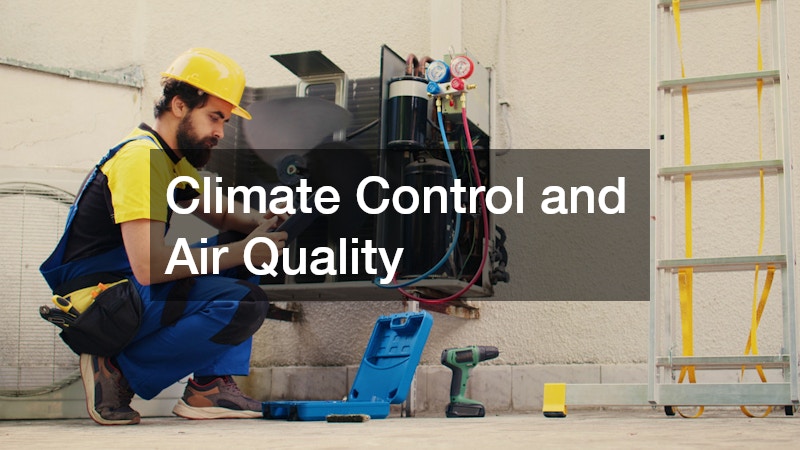
Internal environmental comfort directly impacts how long shoppers browse inside your venue or how comfortably diners enjoy their experience. Maintaining high-performance mechanical systems protects both human health and ambient comfort.
Scheduling Seasonal HVAC Servicing
Your interior air system works continuously to regulate temperature, humidity, and overall air freshness. Servicing these unit components on a strict seasonal schedule prevents sudden operational breakdowns during peak summer or winter months. Ensure that filters are replaced every one to three months, depending on foot traffic volume and regional dust levels. Consistent AC maintenance keeps cooling coils clean, preserves internal airflow, and significantly reduces monthly energy consumption while extending total system lifespans.
Monitoring Air Quality and Ventilation Pathways
Clean, fresh indoor air creates an inviting atmosphere that keeps shoppers inside longer. Inspect air vents, return grilles, and ductwork regularly to prevent dust accumulation and blockage. Clean grilles maintain steady system pressure and prevent airborne particles from settling onto display merchandise or dining surfaces. Ensure that exhaust systems in restrooms and utility closets vent cleanly to the outside environment without restriction.
Temperature Calibration and Thermostat Controls
Keeping indoor environments balanced requires reliable control mechanisms. Check thermostat calibrations quarterly to ensure temperature settings reflect actual indoor readings. Investing in programmable or smart systems allows you to set automated temperature setbacks during non-operating hours, which reduces mechanical wear and lowers overall energy utility expenses over time.
Utility Infrastructure and Water Systems
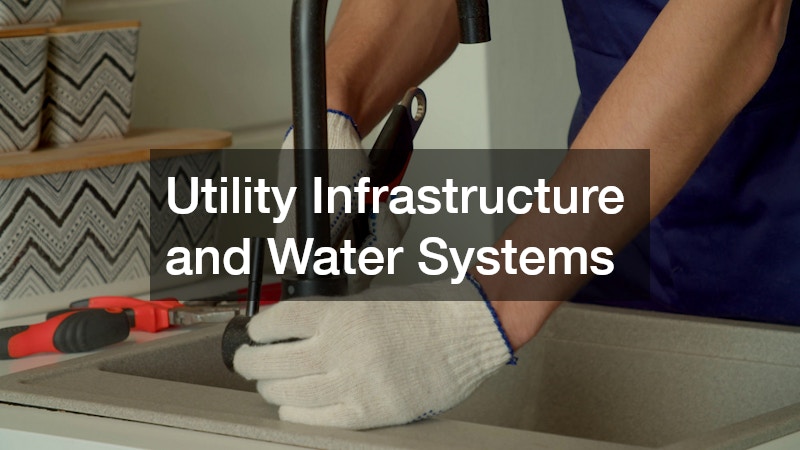
A fully functioning water supply and drainage infrastructure is crucial for everyday operations, sanitary compliance, and employee safety. Plumbing emergencies can force temporary store closures if not proactively managed.
Monitoring Water Flow and Pressure Systems
Consistent water pressure is required for customer restrooms, kitchen facilities, employee breakrooms, and cleaning stations. Keep a close eye on fixture pressure drops, strange pipe rattles, or unexpected fluctuations in water supply. When booster setups or main delivery mechanisms fail to deliver a steady flow, professional water pump repair becomes vital to restore full operational volume and avoid system-wide shutdowns.
Partnering with Certified Plumbing Experts
Physical venues involve complex drainage networks, heavy-duty fixtures, and backflow prevention devices that differ greatly from residential plumbing setups. Establishing an ongoing relationship with trusted commercial plumbing contractors ensures that grease traps, backflow valves, and high-use fixtures are serviced by trained professionals. Regular professional drain line flushes prevent sudden grease or debris blockages that could cause public restroom backups or kitchen flooding.
Preventing Winter Freeze Hazards
If your business operates in an area subject to freezing temperatures, protecting exposed utility pipes is essential. Insulate supply pipes passing through exterior walls, storage basements, or unheated utility closets. Ensure outdoor hose bibs are shut off and drained prior to the onset of cold weather, and maintain minimum interior heating levels even when the venue is closed for holidays.
Commercial Kitchen Operations and Safety

For entrepreneurs launching a food and beverage venue, specialized kitchen hardware requires dedicated maintenance protocols to ensure fire safety, health code compliance, and hygiene.
Managing Grease and Oil Disposal Correctly
Handling food preparation byproducts responsibly keeps internal plumbing clear and complies with local municipal waste codes. Used frying oils and heavy cooking fats must never be poured down floor drains or sink basins, as they solidify and destroy drain infrastructure. Partnering with a reliable cooking oil collection vendor ensures that used fats are safely stored in dedicated exterior bins and hauled away for recycling on a consistent, hassle-free schedule.
Deep Cleaning Exhaust and Ventilation Systems
Kitchen exhaust hoods pull grease-laden vapors, steam, and smoke out of the preparation zone to maintain safe interior air quality. Over time, flammable grease residues build up along internal hood surfaces, baffle filters, and vertical exhaust ducts. Scheduling regular commercial kitchen hood cleaning services from certified specialists removes dangerous buildup down to bare metal, drastically lowering fire risks and fulfilling crucial commercial insurance safety requirements.
Servicing Commercial Refrigeration Units
Food service operations rely heavily on consistent cold storage to preserve perishable inventory. Clean condenser coils on walk-in coolers and reach-in refrigerators monthly to prevent dust buildup from forcing compressors to work overtime. Check door gaskets regularly for cracks or loose seals that allow cold air to leak out, which strains the refrigeration units and increases electricity usage.
Branding, Exterior Visuals, and Exterior Appeal
Your physical front presents the face of your business to passing pedestrians and vehicular traffic. Keeping exterior branding clean and undamaged creates a welcoming visual identity.
Inspecting and Maintaining Exterior Signage
Your primary business sign is often the first interaction potential customers have with your brand. Check illuminated lettering, external accent lights, and supporting mounting hardware weekly to ensure everything looks sharp and operates safely. When installing or servicing a custom commercial sign, work with professional installers who can replace failed LED modules, fix weathered frame mountings, and clean faceplates without compromising structural stability.
Window and Display Glass Care
Clear, spotless window glass maximizes natural light and gives passersby an unobstructed view of your interior merchandise or warm ambiance. Schedule professional exterior window washes monthly, and assign daily touch-up cleaning to floor staff to wipe away finger smudges and dust. Inspect glass seals and caulk lines annually to ensure draft-free insulation and prevent moisture buildup between double-paned glass.
Maintaining Exterior Lighting and Safety Barriers
Adequate exterior illumination deters vandalism and ensures patron safety during evening operating hours. Replace flickering or burnt-out bulbs along entrance alcoves, walkway sconces, and parking areas immediately. Inspect entry door hardware, thresholds, and emergency exit push bars routinely to verify that entryways open smoothly and lock securely at night.
Interior Surface Care and Floor Safety
High foot traffic wears down interior surfaces over time. Systematic cleaning and surface maintenance preserve your physical investment while minimizing slip, trip, and fall hazards.
Managing High-Traffic Flooring
Storefront flooring materials endure constant wear from foot traffic, wet shoes, and heavy inventory carts. Implement a floor maintenance schedule that includes daily sweeping, routine mopping with material-appropriate cleaners, and periodic deep scrubbing or re-waxing. Inspect entry mats daily to ensure they lie flat without curled edges that could trip visiting customers. Taking time to place absorbent mats near entrances during stormy weather also significantly minimizes interior moisture buildup.
Wall and Fixture Upkeep
Interior walls, display shelves, and checkout counters suffer scuffs and scrapes from daily interaction. Keep extra touch-up paint on hand matching your interior color scheme to quickly patch over wall scuffs. Inspect retail display racks, heavy shelving units, and clothing displays regularly to ensure all wall anchors and mounting bolts remain tight and stable under load.
Restroom Sanitation and Upkeep
Customer-facing restrooms leave a lasting impression on visitors. Beyond standard daily cleaning routines, perform monthly inspections of flush valves, faucet aerators, soap dispensers, and automatic hand dryers. Fix minor leaks or constantly running toilets right away to prevent elevated water bills and floor surface damage.
Lease Obligations and Risk Prevention
Operating within a leased property requires a clear understanding of legal maintenance boundaries and systematic documentation of all structural upkeep activities.
Clarifying Tenant versus Landlord Responsibilities
Before taking occupancy or signing long-term agreements, thoroughly review lease terms governing physical building responsibilities. In many retail structures, tenants oversee internal mechanical systems, interior surfaces, and specific fixtures, while property owners manage main structural elements, shared parking areas, and core building roofs. Understanding these exact lease boundaries prevents costly misunderstandings when major repairs arise within the commercial real estate space.
Maintaining Organized Service Records and Logs
Keep a dedicated digital or physical maintenance log detailing every inspection, service call, component replacement, and vendor contract. Documenting regular servicing created by professional contractors provides clear evidence of proactive care if insurance claims or lease disputes occur. Organized maintenance records also help track recurring operational expenses, making annual budgeting much simpler.
Building an Emergency Vendor Network
When unexpected system failures happen, having a pre-vetted list of emergency repair contacts saves critical time and protects business operations. Establish ongoing relationships with licensed electricians, glass repair specialists, locksmiths, and general contractors before an emergency occurs. Store these contact details in an easily accessible location for on-duty managers to access during off-hours emergencies. Training your leadership team on emergency shutdown procedures for water and electrical valves is equally vital.
Adopting a systematic approach to ongoing physical property maintenance protects your financial investments, ensures regulatory compliance, and provides a pleasant environment for customers. By addressing structural needs, mechanical systems, kitchen hardware, and exterior branding on a structured calendar, you avoid disruptive operational shutdowns and preserve long-term business value. Establishing strong maintenance habits right from day one sets a solid operational foundation that allows your new business venture to flourish.
Ultimately, taking pride in your physical location translates directly into building customer trust and protecting your financial bottom line. As a new owner, viewing routine upkeep as a core business function rather than a chore empowers you to make informed decisions and budget effectively. With patience, organization, and reliable professional partners, your physical storefront will continue to serve as a thriving hub for your growing venture. Committing to consistent care today guarantees that your brick-and-mortar presence remains a source of success for years to come.