
Growing a construction company requires more than just skilled labor, dependable equipment, and competitive bidding. While these foundational elements keep projects moving, scaling your operations to new heights demands strategic collaboration. In an increasingly complex industry, no single company can excel at every specialty or absorb all the resource demands of large-scale developments. By forming intentional partnerships with specialized vendors, trade experts, and service providers, contractors can expand their operational capacity, take on larger contracts, and increase profitability without incurring massive overhead.
The modern market places unprecedented demands on general contractors, requiring rapid adaptation to evolving codes, complex supply chains, and rising client expectations. Trying to manage every aspect of construction internally often leads to stretched management resources, diluted quality, and delayed completion schedules. Embracing a collaborative business model shifts the focus from simple task execution to managing high-value relationships. This approach positions your firm to tackle ambitious builds while keeping corporate structure nimble and responsive to market shifts.
Collaboration in construction is not merely about outsourcing tasks; it is about building an ecosystem of reliable partners who complement your core strengths. Working alongside specialized businesses allows you to offer comprehensive solutions to clients while maintaining lean operations. Whether you are aiming to bid on higher-value commercial projects, enter new geographic regions, or diversify your service offerings, leaning on external expertise provides a sustainable pathway for growth. By fostering strong relationships with specialized trade partners, equipment providers, and technical consultants, your firm can elevate its project outcomes and stand out in a crowded market.
Mastering Subcontractor Collaboration
Building strong, mutually beneficial relationships with subcontractors is essential for any construction business aiming to expand. Subcontractors bring focused expertise, established workflows, and trade-specific craftsmanship to your job sites, allowing your core team to manage projects efficiently without becoming overwhelmed by niche tasks.
Establishing Clear Communication Protocols
Clear communication forms the backbone of successful trade partnerships. Before work begins, establish straightforward channels for updates, design revisions, and schedule adjustments. Clear documentation prevents costly misunderstandings, minimizes project delays, and ensures that everyone operates from the same set of expectations throughout the build lifecycle.
Streamlining Structural and Specialty Fabrications
Partnering with specialist fabricators ensures that structural components meet rigorous engineering standards before arriving on site. For instance, off-site steel preparation simplifies complex framing challenges and accelerates installation timelines. Utilizing professional pipe fabrication services allows project managers to secure pre-assembled, quality-tested piping assemblies, reducing hazardous field welding, decreasing labor costs, and ensuring strict compliance with local plumbing and mechanical codes.
Building Trust Through Prompt Financial Practices
Reliable financial management is one of the most effective ways to build lasting subcontractor relationships. Subcontractors often operate on tight cash flow margins, so prompt invoice processing directly influences their willingness to prioritize your jobs. Establishing clear payment terms and adhering to them consistently positions your firm as a contractor of choice, making top-tier specialty trades eager to collaborate on future projects.
Expanding Infrastructure and Civil Capabilities
Taking on larger civil or municipal projects often requires technical capabilities that go beyond standard building construction. Collaborating with specialized environmental and infrastructure partners enables your firm to meet stringent regulatory requirements and execute complex site preparation with complete confidence.
Navigating Regulatory and Water Management Inspections
Civil projects frequently involve complex water control structures, environmental safeguards, and site drainage requirements. Partnering with certified engineering consultants for specialized tasks like weir inspections helps identify structural vulnerabilities, ensure environmental compliance, and maintain proper hydraulic function during heavy rains or site dewatering phases.
Enhancing Site Safety and Traffic Management
Public infrastructure and commercial builds near roadways demand robust traffic safety measures to protect both workers and the public. Partnering with established road sign businesses allows general contractors to source compliant directional signage, safety barriers, and traffic control plans quickly. These collaborations ensure your job sites adhere strictly to local Department of Transportation guidelines while keeping surrounding traffic flowing smoothly.
Managing Environmental Impact and Compliance
Environmental regulations can present significant roadblocks if not addressed early in project planning. Working with environmental specialists ensures that soil erosion controls, waste mitigation plans, and runoff safeguards are properly designed and executed. Demonstrating a strong track record of environmental compliance opens doors to lucrative public sector projects and builds trust with municipal regulatory agencies.
Streamlining Specialty Electrical and Low-Voltage Systems
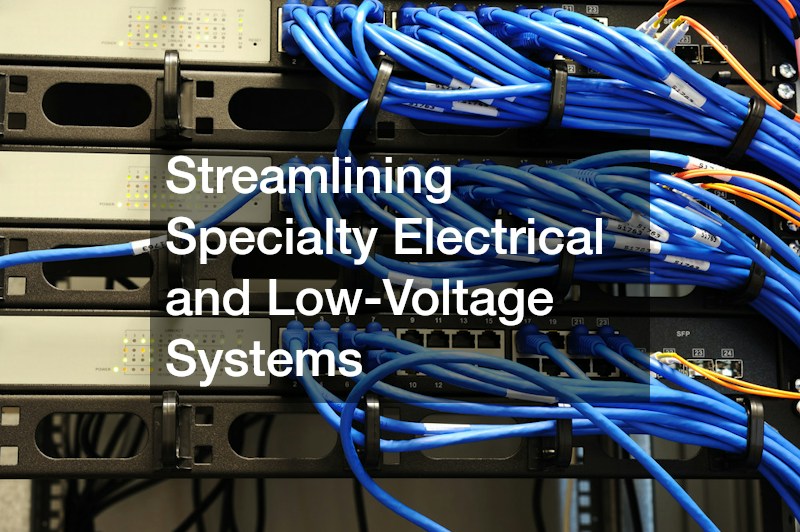
Modern commercial builds require sophisticated electrical infrastructure, low-voltage wiring, and integrated communications networks. Coordinating with specialized electrical and network vendors early in the design-build phase ensures seamless installation and prevents costly rework after walls are closed up.
Supporting Modern Network Infrastructure
Commercial buildings depend on robust data infrastructure to support modern IT systems, smart building controls, and security networks. Coordinating with telecommunications specialists to install standardized data cabinets ensures that sensitive server hardware, switches, and patch panels are housed securely with adequate cooling and cable management.
Integrating Sustainable Energy Solutions
As energy efficiency requirements become stricter, integrating renewable energy into new construction provides a significant competitive edge. Collaborating with certified solar installers allows general contractors to incorporate photovoltaic systems into rooftop designs seamlessly. Utilizing specialized technicians for solar panels guarantees proper electrical integration, maximizing energy output and helping clients qualify for valuable green building certifications.
Future-Proofing Electrical Capacity for Commercial Tenants
Designing electrical distribution systems with expansion in mind adds tangible long-term value for building owners. Working alongside master electricians during early spatial design allows for extra circuit capacity, conduits, and sub-panels. This foresight accommodates future technological upgrades, high-draw equipment, or changing tenant requirements without requiring disruptive structural modifications later.
Optimizing Heavy Equipment and Lifting Logistics
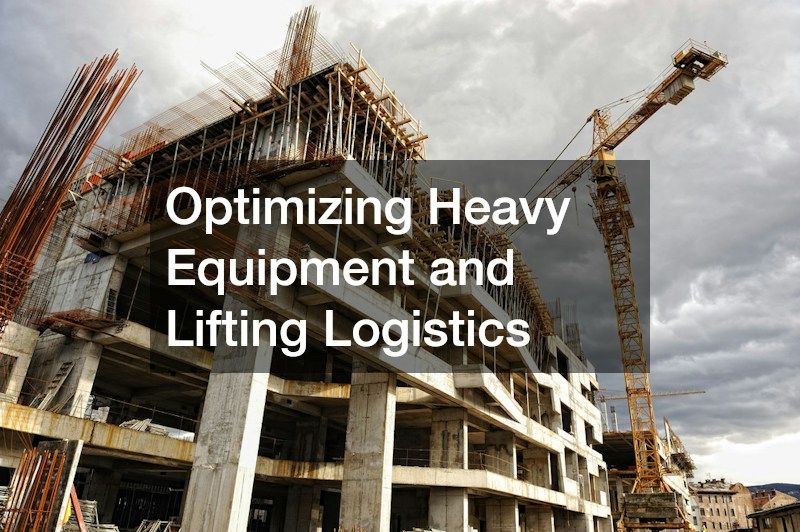
Capital investment in heavy machinery can severely constrain a growing construction company’s cash flow and liquidity. By partnering with equipment rental providers and specialized lifting services, you can access state-of-the-art machinery without the burden of long-term debt, maintenance costs, or storage requirements.
Fleet Management Through Flexible Rental Networks
Maintaining a fleet of specialized machinery is rarely cost-effective for growing contractors. Building strategic partnerships with heavy equipment rental companies gives your project managers immediate access to well-maintained excavators, bulldozers, and loaders tailored to specific job site needs. This flexible approach allows you to scale equipment needs up or down rapidly depending on active project volume.
Executing High-Reach and Structural Lifts Safely
Rigging and high-reach lifting operations carry substantial risk and require certified expertise. Contracting out specialized lifting operations through a trusted crane rental provider ensures that qualified operators, proper rigging equipment, and comprehensive lift plans are deployed on site. This partnership mitigates liability, speeds up structural assembly, and keeps your workers safe during heavy lifting phases.
Reducing Equipment Idle Time Across Multiple Projects
Unused machinery sitting idle on a job site drains resources through ongoing rental fees and site crowding. Effective equipment coordination involves scheduling machinery deliveries exactly when needed and returning or transferring units as soon as primary tasks are completed. Open communication between project managers and equipment suppliers maximizes machinery utilization and keeps overall project expenditures lean.
Enhancing Site Operations and Worker Welfare
Job site efficiency is deeply connected to how well the daily needs of workers are supported on location. Partnering with reliable site service vendors ensures that basic infrastructure, sanitation, and logistics run smoothly, directly boosting site morale and overall productivity.
Providing Superior On-Site Sanitation
A clean, compliant job site is fundamental to worker productivity and regulatory compliance. Partnering with a reliable local porta potty rental service ensures that clean, well-maintained sanitation facilities are delivered, serviced, and relocated as project phases progress. Proper sanitation planning prevents site disruption, keeps worker morale high, and satisfies strict occupational safety standards.
Outfitting On-Site Offices and Finished Spaces
Temporary administrative facilities require functional furnishings so project managers, engineers, and clients can meet and work productively on site. Forming a vendor relationship with a local furniture store enables rapid outfitting of job site trailers with durable desks, seating, and storage. Furthermore, these retail relationships can turn into commercial partnerships when clients need assistance sourcing furnishings for finished interior developments.
Optimizing Site Logistics and Waste Management
Orderly material handling and systematic waste removal are critical for maintaining safe, functional working conditions. Collaborating with specialized waste disposal services ensures that debris containers are routinely emptied and recycled according to municipal guidelines. Clean work environments minimize slip-and-trip hazards, reduce lost transit time across the site, and project a professional image to visiting stakeholders.
Accelerating Concrete and Structural Reinforcing Work
Reinforced concrete forms the backbone of modern building foundations, high-rises, and civil structures. Coordinating structural steel reinforcement demands precision engineering, expert cutting, and timely site delivery to keep concrete pouring schedules on track.
Precision Reinforcement Engineering
Placing concrete without precisely fabricated reinforcing steel compromises structural integrity and risks project failure. Collaborating with specialized vendors for rebar fabrication ensures that steel bars are cut, bent, and bundled strictly according to structural engineering specifications before reaching the site, dramatically cutting down on labor-intensive field modifications.
Synchronizing Pouring Schedules and Steel Delivery
Timing is everything when coordinating large concrete pours on busy job sites. Aligning steel delivery schedules with your concrete suppliers ensures that reinforcing mats and cages are tied and inspected just before the trucks arrive. Seamless execution during these critical phases prevents costly cold joints and keeps foundation work moving forward efficiently.
Implementing Rigorous Concrete Testing Protocols
Ensuring that poured concrete achieves its target compressive strength requires meticulous field testing and lab analysis. Partnering with certified materials testing laboratories allows contractors to monitor slump levels, air content, and cure rates under controlled conditions. Verifying structural performance at scheduled intervals protects against long-term structural defects and provides undeniable quality assurance documentation for project owners.
Developing Long-Term Vendor and Supplier Alliances
Growth is sustained not through one-off transactional interactions, but through enduring partnerships built on trust, transparency, and shared value. Cultivating long-term alliances with your key vendors transforms standard supply chains into powerful strategic assets that give you a distinct advantage over competitors.
Negotiating Preferred Pricing and Priority Service
Consolidating your trade spending with a select network of trusted vendors creates mutual loyalty. Partners are much more likely to offer volume discounts, extended credit terms, and priority scheduling during busy construction seasons to contractors who consistently bring them repeat business and pay invoices promptly.
Shared Bidding and Joint Ventures
Collaborating with complementary contractors allows your firm to pursue larger, more complex contracts that might be out of reach independently. Joint bidding arrangements enable general contractors to leverage the combined financial strength, bonding capacity, and technical qualifications of multiple organizations to win lucrative public and commercial projects.
Leveraging Shared Technology Platforms
Modern construction partnerships increasingly rely on integrated software systems for real-time document sharing, schedule tracking, and billing. Adopting compatible software platforms across your trade network streamlines administrative workflows and eliminates communication bottlenecks. Shared digital environments foster transparency, allowing general contractors and subcontractors to solve site challenges collaboratively before they affect project timelines.
Fostering Effective Cross-Trade Collaboration
A project site is a dynamic environment where dozens of independent trades must operate in close proximity. As a general contractor, establishing a culture of mutual respect and structured coordination among all trades is vital for maintaining momentum and preventing clashes.
Implementing Integrated Project Delivery Methods
Integrated delivery models bring key subcontractors, architects, and engineers together during the early design phase. Early trade involvement identifies constructability issues prior to breaking ground, optimizes material selections, and drastically cuts down on change orders during active construction.
Standardizing On-Site Safety Culture
Ensuring that every partner, subcontractor, and vendor adheres to a unified safety protocol is essential for preventing accidents. Joint safety briefings, shared risk assessments, and consistent enforcement of protective equipment rules ensure that everyone on site works toward a common goal of zero injuries.
Holding Structured Daily Stand-Up Meetings
Brief daily coordination meetings between trade superintendents keep job site activities aligned and prevent trade overlapping. Discussing immediate priorities, delivery schedules, and shared equipment usage each morning allows trade leads to resolve space conflicts proactively. This simple routine improves field harmony, reduces idle crew time, and keeps overall project milestones on schedule.
Strategic partnership is one of the most powerful catalysts for expanding a construction enterprise. By delegating specialized tasks to trade experts, leveraging flexible rental networks, and prioritizing collaborative relationships, contractors can scale their operations efficiently while maintaining high standards of quality and safety. Embracing collaboration enables your business to remain agile, reduce operational overhead, and win larger, more profitable contracts in an increasingly competitive marketplace.
Ultimately, long-term success in the construction industry relies on the strength of the network you build around your business. Contractors who view suppliers, fabricators, and trade specialists as strategic allies rather than temporary resources create a resilient operational foundation. By committing to shared goals, transparent communication, and mutual growth, your firm can navigate industry challenges smoothly, deliver exceptional projects, and secure a prominent, highly profitable position in the marketplace for years to come.